

Trenchless sewer repair methods have emerged as efficient alternatives to conventional techniques. These innovative approaches minimize landscape disruption and expedite repair timelines. By leveraging existing access points, they reduce labor costs considerably. However, not all trenchless methods are created equal. Understanding the various techniques and their advantages can lead to informed decisions. This exploration raises important considerations about cost, longevity, and environmental impact that warrant further examination.
Key Takeaways
- Trenchless methods like pipe bursting and lining minimize excavation, saving time and reducing disruption to property and landscapes.
- These techniques typically cost 20% to 50% less than traditional sewer repair methods, enhancing economic viability.
- Quick implementation of trenchless repairs leads to faster restoration of sewer service, minimizing inconvenience for property owners.
- Longevity of trenchless repairs results in lower long-term maintenance expenses, providing significant savings over time.
- Utilizing existing access points reduces labor costs and project duration, making trenchless methods efficient and cost-effective.
Understanding Trenchless Sewer Repair Methods
Understanding trenchless sewer repair methods involves a critical examination of innovative techniques designed to address sewer line issues with minimal disruption to the surrounding environment. These methods, which include pipe bursting and horizontal directional drilling, leverage advanced technology to facilitate repairs without extensive excavation. By utilizing existing access points, trenchless sewer repair process reduce labor costs, project durations, and environmental impact, thereby appealing to property owners seeking efficient solutions. Additionally, the ability to preserve landscaping and infrastructure enhances community acceptance and fosters a sense of belonging among residents. As urban areas continue to evolve, the adoption of trenchless sewer repair methods represents a forward-thinking approach to maintaining essential utilities while respecting the integrity of the environment and community aesthetics.
Common Trenchless Sewer Repair Techniques
Trenchless sewer repair methods encompass several techniques designed to effectively address sewer line issues while minimizing disruption. Among the most common techniques are pipe bursting, which involves breaking apart the existing pipe while simultaneously installing a new one, and pipe lining, where a resin-saturated liner is inserted into the damaged pipe and cured to form a new, durable inner layer. Additionally, horizontal directional drilling (HDD) allows for the installation of new pipes by boring underground, avoiding excavation. Each of these methods offers precise, efficient solutions that reduce surface disruption and labor costs. By employing these trenchless sewer repair processes, property owners can guarantee long-term functionality while preserving the integrity of their landscape.
Why Go Trenchless? Advantages Over Traditional Methods
Efficiency and cost-effectiveness characterize the advantages of trenchless sewer repair methods over traditional techniques. By minimizing excavation, these modern approaches considerably reduce the disruption to surrounding landscapes and infrastructure. This not only preserves property aesthetics but also mitigates the potential for additional repairs and restoration costs often incurred with traditional digging methods. In addition, trenchless technologies typically require less time to implement, enabling quicker restoration of service. The precision of these methods often leads to enhanced durability and longevity of repairs, translating into long-term savings. Collectively, these benefits underscore the growing preference for the trenchless sewer repair process among property owners and municipalities seeking sustainable, effective solutions for aging sewer systems.
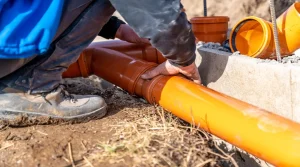
Cost Breakdown of Trenchless Methods Versus Traditional Approaches
The financial implications of adopting trenchless sewer repair processes present a compelling argument for their increasing preference among property owners and municipalities. Initial costs for trenchless techniques often range from 20% to 50% less than traditional methods, which typically involve extensive excavation. While traditional repairs incur significant labor, restoration, and surface repair expenses, trenchless methods minimize disruption, reducing overall project duration and associated costs. Additionally, the longevity of trenchless repairs often results in lower long-term maintenance expenses. The need for fewer permits and reduced environmental impact further enhances their economic viability. Consequently, the cost breakdown clearly illustrates that trenchless sewer repair methods not only deliver immediate savings but also foster sustainable financial benefits over time.
Choosing the Best Trenchless Sewer Repair Method?
When considering various options for repairing sewer systems, how does one determine the most suitable trenchless sewer repair method? Factors such as the specific type of damage, the diameter of the pipes, and the soil conditions play critical roles in this decision-making process. Common techniques include pipe bursting and cured-in-place piping (CIPP), each offering distinct advantages. Pipe bursting is ideal for severely damaged pipes, while CIPP is effective for smaller repairs with minimal disruption. Additionally, cost implications and project timelines must be assessed. Engaging with experienced professionals can provide valuable insights into local conditions and regulatory requirements, ensuring that the selected trenchless sewer repair method aligns with both technical needs and community standards, fostering a sense of belonging among stakeholders.
Frequently Asked Questions
How Long Do Trenchless Sewer Repairs Typically Take?
Trenchless sewer repairs typically take one to three days, depending on various factors such as the complexity of the job, the length of the pipeline, and site conditions, ensuring efficiency while minimizing disruption to surrounding areas.
Are Trenchless Sewer Repairs Suitable for All Types of Pipes?
Trenchless sewer repair methods are not universally suitable; their effectiveness depends on pipe material, condition, and specific circumstances. Appropriate assessment guarantees ideal application, allowing for efficient repairs while minimizing disruption and cost for property owners.
What Are the Environmental Impacts of Trenchless Methods?
Trenchless sewer repair methods generally minimize environmental disruption, reducing soil erosion and habitat destruction. However, potential impacts include groundwater contamination and emissions from machinery. Careful planning and execution are essential to mitigate these environmental concerns effectively.
Do Trenchless Sewer Repairs Require Permits and Inspections?
Trenchless sewer repairs typically require permits and inspections to guarantee compliance with local regulations. These measures safeguard public health and safety, providing oversight during the installation process and confirming adherence to environmental standards.
How Can I Maintain My Sewer System After Repairs?
To maintain a sewer system post-repair, regular inspections, proper disposal of waste, and avoidance of harsh chemicals are essential. Implementing these practices guarantees longevity and functionality, promoting a healthy plumbing environment for all users.
Conclusion
To sum up, trenchless sewer repair methods present a compelling alternative to traditional techniques, offering significant advantages regarding efficiency, cost-effectiveness, and minimal disruption. By utilizing advanced techniques like pipe bursting and horizontal directional drilling, property owners can achieve durable repairs while preserving surface aesthetics and reducing long-term maintenance costs. As the demand for efficient infrastructure solutions grows, embracing trenchless technology will likely become increasingly advantageous for both residential and commercial applications.
You May Also Like To Read: